
A healthy smile doesn't come from just one dental appointment each year. It's also created through habits: the small ways you care for your smile each day.
Brushing your teeth, cleaning between them, choosing tooth-friendly foods and drinks, and keeping up with regular dental appointments all work together to protect your teeth and gums. While no routine can guarantee that you will never develop a cavity or gum problem, consistent habits can significantly reduce your risk and help your dental team catch concerns early.
At Midtown Dental in Raleigh, NC, preventive dentistry is at the foundation of the practice's family-centered approach. From professional cleanings and exams to personalized home-care guidance, the goal is to help patients maintain healthy smiles for life.
Brush Your Teeth Twice a Day
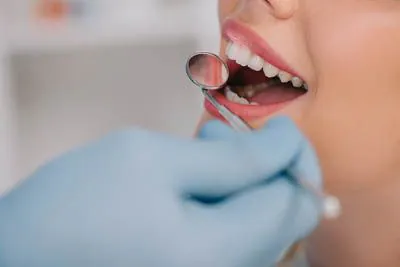 Brushing is one of the most important things you can do for your oral health. Brush your teeth at least twice a day for about two minutes each time, typically once in the morning and once before bed. Use a soft-bristled toothbrush and fluoride toothpaste, and brush gently along the teeth and gumline.
Brushing helps remove plaque, the sticky film of bacteria that constantly forms on your teeth. If plaque remains on your teeth, the bacteria within it can contribute to cavities and gum inflammation. Don't forget the surfaces that are easy to overlook, including the backs of your teeth and the chewing surfaces of your molars.
Clean Between Your Teeth Every Day
A toothbrush cannot effectively clean every surface between your teeth. That's why cleaning between your teeth is an important part of your daily routine.
Traditional dental floss can remove plaque and food debris from areas a toothbrush cannot reach. Depending on your needs and your dentist's recommendation, you might also use interdental brushes or another type of interdental cleaner.
The most important thing is consistency. If your gums bleed when you first begin flossing regularly, don't automatically assume that flossing is hurting your gums. Bleeding can be a sign of inflammation caused by plaque buildup. If bleeding persists, however, talk with your dentist or dental hygienist.
Stay Mindful of Sugary Foods and Drinks
You don't have to eliminate every sweet treat from your diet to have a healthy smile. Instead, pay attention to how often your teeth are exposed to sugar. Bacteria in dental plaque use sugars and carbohydrates to produce acids that can contribute to enamel erosion and tooth decay.
Frequent sipping on sugary beverages throughout the day can be particularly problematic because it repeatedly exposes your teeth to these acids. Whenever possible, keep sugary foods and drinks to mealtimes rather than constantly snacking or sipping throughout the day.
Choose Water More Often
Water is one of the simplest tooth-friendly beverage choices. Unlike sugary soft drinks, sports drinks, or sweetened coffee beverages, plain water does not provide sugar for cavity-causing bacteria. Drinking water can also help rinse away food debris and keep your mouth from becoming excessively dry.
If you regularly drink beverages other than water, consider making water your default choice throughout the day.
Include Tooth-Friendly Foods
A balanced diet supports more than your general health. Your food choices can also affect your teeth and gums. Consider incorporating foods such as:
- Crunchy fruits and vegetables
- Dairy products such as cheese and plain yogurt
- Lean proteins
- Foods containing important vitamins and minerals
- Water-rich fruits and vegetables
You don't have to follow a perfect diet to protect your smile. The goal is simply to make nutritious choices most of the time and limit frequent exposure to sugary or highly acidic foods and drinks.
Protect Your Teeth From Grinding and Sports Injuries
Certain habits and activities can put your teeth at additional risk.
If you grind or clench your teeth, particularly while sleeping, talk with your dentist about whether a custom mouthguard may be appropriate. Bruxism can contribute to tooth wear, sensitivity, jaw discomfort, and damage over time.
Likewise, if you participate in contact sports or activities where your mouth could be injured, a properly fitted mouthguard can provide an important layer of protection.
Midtown Dental offers mouthguards for bruxism as part of its preventive dental services.
Don't Ignore Changes in Your Mouth
Pay attention to changes in your teeth and gums between dental appointments.
Contact your team at Midtown Dental if you notice:
- Tooth pain or sensitivity
- Bleeding or swollen gums
- Persistent bad breath
- A chipped or cracked tooth
- A loose tooth
- A sore that does not heal
- Changes in the way your teeth fit together
- A new lump or unusual area in your mouth
Some dental problems do not cause obvious symptoms in their earliest stages, which is another reason routine dental exams are important.
Keep Up With Regular Dental Visits
Even the best home-care routine cannot completely replace professional dental care. During a preventive dental visit to our Raleigh dental office, your dentist will look for cavities, gum disease, tooth wear, cracks, and other concerns. Professional cleanings also remove hardened tartar that cannot be removed with a toothbrush or floss at home.
At Midtown Dental, preventive visits can include comprehensive exams, professional cleanings, periodontal evaluations, and digital X-rays when appropriate. How often you should visit depends on your individual oral health. Many patients benefit from routine visits twice a year, while people with certain risk factors may need a different schedule.
10. Follow the Home-Care Recommendations From Your Dental Team
Your oral health needs may not be the same as someone else's. For example, a patient with a history of gum disease may need a more involved cleaning and maintenance schedule. Someone who frequently develops cavities may benefit from additional fluoride protection. A patient with sensitive teeth may need specific products or desensitizing treatments.
At Midtown Dental, the team emphasizes personalized patient education and works with patients to develop home-care routines based on their individual needs.
How Quickly Can Better Habits Improve Your Smile?
Some benefits of better oral hygiene can be noticeable relatively quickly. Your mouth may feel cleaner, your breath may improve, and plaque buildup can decrease when you consistently brush and clean between your teeth.
Other benefits are long-term. Maintaining good daily habits over months and years can help reduce your risk of cavities and gum disease and make it easier to maintain your natural teeth as you age. The key is consistency, not perfection.
A Healthy Smile Starts With What You Do Every Day
Your dental health is influenced by the choices you make between appointments. Brushing twice a day, cleaning between your teeth, choosing water more often, being mindful of sugar, protecting your teeth, and paying attention to changes can all help support a healthier smile.
But you don't have to figure everything out on your own.
At Midtown Dental in Raleigh, NC, Dr. Seth Rumley, Dr. Rajan Prajapati, and the team provide personalized preventive dentistry for patients of all ages. With more than 45 years of serving the Raleigh community, the practice focuses on education, early detection, professional cleanings, and long-term relationships with patients and families.
If it's been a while since your last dental visit, schedule an appointment with Midtown Dental and make your smile's daily care part of a long-term preventive plan.